Preventing Plumbing Emergencies: Essential Tips for Homeowners and Small Businesses
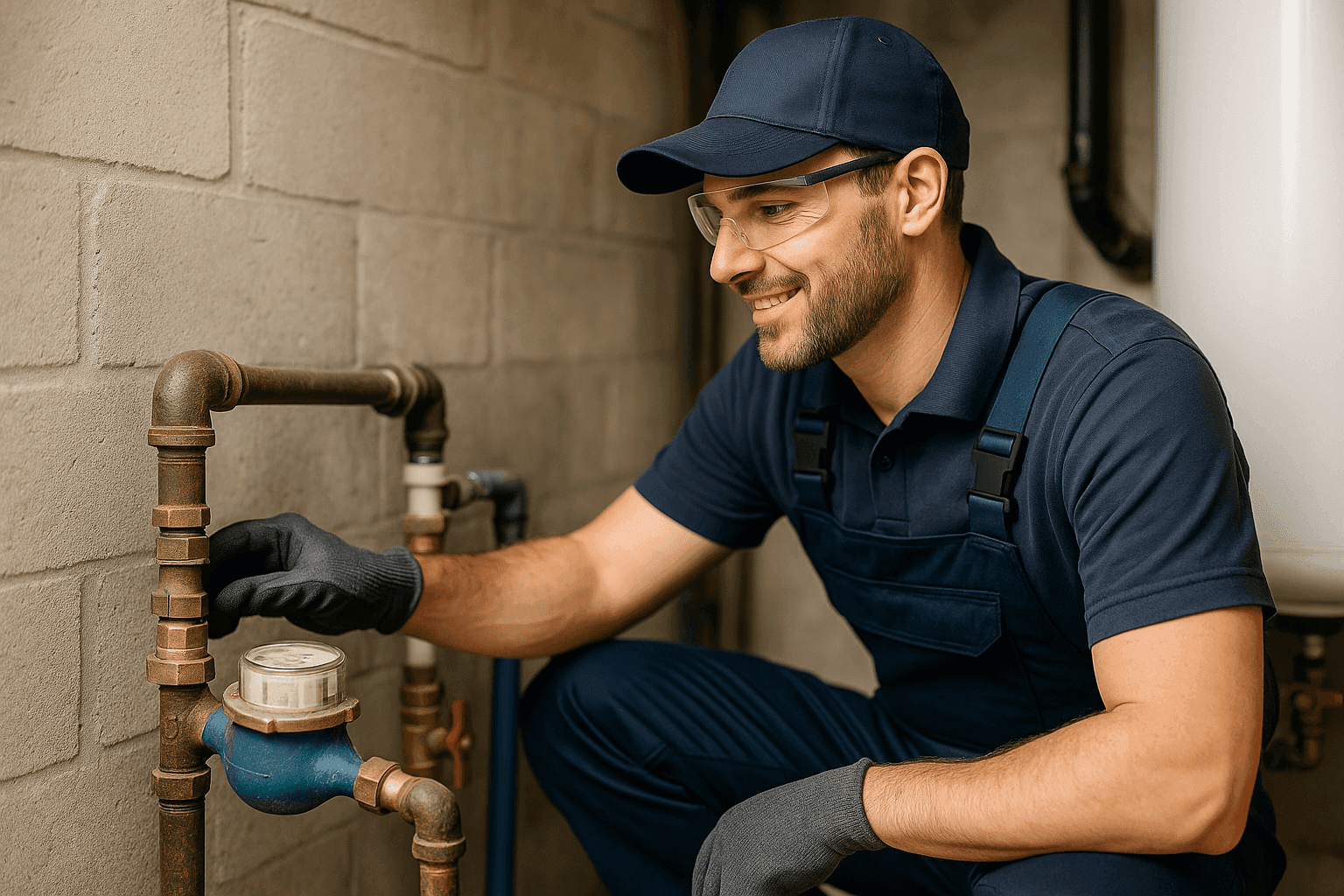
Plumbing emergencies don’t knock politely before barging in. A burst pipe can turn a peaceful morning upside down. A hidden leak might quietly eat away at your property’s foundation. Whether you own a cozy home or run a busy small business, the risks—and costs—of plumbing failures are real.
At Aaton Plumbing, we know that prevention is always better than mopping up a mess at midnight. This guide will help you spot trouble early, keep your plumbing running smoothly, and know when it’s time to call in the pros.
Common Plumbing Emergencies and Their Impact
When plumbing goes wrong, it rarely waits for a convenient moment. Here are the usual suspects:
- Burst pipes: Sudden water damage, ruined walls, and sky-high repair bills.
- Sewer backups: Nasty odors, unsanitary conditions, and potential health hazards.
- Water heater failures: Cold showers, spoiled food, and downtime for businesses.
- Overflowing toilets: Messy, stressful, and sometimes hazardous.
These emergencies can disrupt daily life or business operations in a heartbeat. According to the International Association of Certified Home Inspectors (InterNACHI), water damage is one of the most common and expensive insurance claims for property owners. The good news? Many emergencies are preventable with a little vigilance and regular care.
Signs of Imminent Plumbing Problems 🚨
Plumbing systems often whisper warnings before they shout. Paying attention can save you a fortune down the road.
Early Warning Signs to Watch For
- Slow drains: Water pooling in sinks or tubs often means a clog is forming.
- Unusual noises: Banging, whistling, or gurgling pipes can signal air, blockages, or pressure issues.
- Sudden drops in water pressure: Could be a hidden leak or a failing fixture.
- Wet spots or stains: Discoloration on walls, ceilings, or floors may point to a leaking pipe.
- Persistent odors: Musty or sewage smells can indicate a drain or sewer problem.
- Frequent toilet clogs: More than just a nuisance, this might signal a bigger issue in the main line.
If you notice any of these, don’t ignore them. Small warning signs often foreshadow bigger trouble.
Seasonal Plumbing Maintenance Tips
Just as you’d prepare your car for winter or summer, your plumbing needs a little seasonal TLC.
Winter: Guard Against Freezing
- Insulate exposed pipes: Prevent bursts in unheated spaces like basements and garages.
- Let faucets drip in extreme cold: Keeps water moving and reduces freeze risk.
- Disconnect and drain outdoor hoses: Stops trapped water from freezing and cracking pipes.
Spring: Check for Damage
- Inspect for leaks: Look for damp spots as snow melts or heavy rains arrive.
- Test sump pumps: Make sure they’re ready for spring downpours.
- Clear gutters and downspouts: Protects foundations and prevents basement flooding.
Summer: Prepare for Heavy Use
- Check water pressure: Hot weather can strain supply lines.
- Maintain irrigation systems: Look for leaks or broken sprinkler heads.
- Flush water heaters: Remove sediment buildup for better efficiency.
Fall: Ready for the Chill
- Shut off and drain exterior faucets: Avoid frozen lines.
- Inspect water heater: Make sure it’s ready for increased demand.
- Test backflow prevention devices: Especially important for businesses.
Regular, seasonal care keeps plumbing strong all year long.
Essential Preventative Practices
A stitch in time really does save nine. Here’s how to keep plumbing mishaps at bay.
Routine Inspections
- Visual checks: Examine pipes under sinks, behind toilets, and in basements for drips or corrosion.
- Listen: Unusual sounds can be the first sign of trouble.
- Monitor water bills: An unexplained spike may mean a hidden leak.
Leak Detection Methods
- Food coloring test: Add a few drops to your toilet tank. If color appears in the bowl, you have a leak.
- Check meter: Turn off all water and watch your meter. Movement means a leak somewhere.
- Moisture sensors: Place near water heaters or sump pumps for early warnings.
Sump Pump Maintenance
- Test regularly: Pour water into the pit and ensure it activates.
- Clean debris: Remove dirt and check the float switch.
- Backup power: Consider a battery backup in case of outages.
Backflow Prevention
- Annual testing: Many codes require yearly checks, especially for businesses.
- Install devices: Backflow preventers stop contaminated water from entering your clean supply.
Refer to the Uniform Plumbing Code (UPC) and local safety guidelines for best practices. Staying proactive is the best defense.
When to Call a Professional
Some plumbing issues are like icebergs—what you see is only a fraction of the problem. Here’s when it’s time to bring in licensed help:
Red Flags That Require a Pro
- Multiple clogged drains: Could mean a main sewer line issue.
- Water stains or sagging ceilings: Hidden leaks may be causing structural damage.
- No hot water: Water heater repairs can be dangerous if handled incorrectly.
- Gas smells: Evacuate immediately and call for emergency plumbing and gas safety checks.
- Sewer odors or backups: Could indicate a serious blockage or broken main.
Licensed plumbers follow strict safety protocols and use specialized equipment, such as video inspection cameras and advanced leak detectors. Their training ensures repairs meet building codes and keep your property safe.
What Professionals Do on Arrival
When you call Aaton Plumbing, here’s what typically happens next:
- Assessment: A thorough inspection using diagnostic tools.
- Isolation: Shutting off water or gas to prevent further damage.
- Targeted repairs: Addressing the root cause, not just the symptoms.
- Safety checks: Ensuring all systems meet code and are safe for use.
- Clear communication: Explaining findings and next steps in plain language.
This approach minimizes downtime and helps prevent repeat emergencies.
Costs & Time Factors
Plumbing emergencies can range from a quick fix to a major project. Here’s what to expect:
- Simple clogs or leaks: Often resolved in under an hour.
- Burst pipes or water heater failures: May take several hours or require parts replacement.
- Sewer line repairs: Can span a day or more, depending on severity and access.
Costs vary widely based on the issue, parts needed, and labor. According to the Plumbing-Heating-Cooling Contractors Association (PHCC), proactive maintenance is far less expensive than emergency repairs.
When It’s an Emergency
How do you know if you’re facing a true plumbing emergency? Here are clear signs:
- Uncontrolled water flow: Shut off the main valve and call for help.
- Sewage backing up: Poses health risks—act fast.
- Gas leaks: Leave the premises and call emergency services immediately.
- No water supply: Essential for health and safety, especially in businesses.
If you’re unsure, it’s always safer to err on the side of caution.
Frequently Asked Questions
How often should I have my plumbing inspected?
Annual inspections are recommended for most homes and businesses. If you have older pipes or frequent issues, consider twice a year.
Can I use chemical drain cleaners?
It’s best to avoid them. These products can damage pipes and harm the environment. Mechanical methods or professional drain cleaning are safer.
What should I do if I find a small leak?
Shut off the nearest valve and dry the area. Call a plumber to assess and repair before it worsens.
Are there codes I should follow for plumbing work?
Yes. Plumbing work must comply with the Uniform Plumbing Code (UPC) and all relevant safety standards. Licensed professionals stay updated on these requirements.
Special Considerations for Homeowners and Small Businesses
- Homeowners: Regular maintenance preserves property value and prevents mold or structural damage.
- Small businesses: Plumbing failures can disrupt operations and impact customer trust. Schedule maintenance during off-hours if possible.
- Older properties: Pipes and fixtures may be more vulnerable—consider upgrades or repiping for peace of mind.
- Water filtration: Protects appliances and improves water quality for both homes and businesses.
Prevention is a partnership. Stay alert, act early, and don’t hesitate to seek professional help when needed.
Call Aaton Plumbing now — or reach us anytime at 877-362-1997 .